What Does a Funeral Director Do?
A Complete Guide for Families
When someone close to you dies, it can be overwhelming to know what needs to be done next. A funeral director plays a vital role during this time, guiding families through practical arrangements while offering care, support, and reassurance.
This guide explains what a funeral director does, how they help before, during, and after a funeral, and why their role is so important during bereavement.
What Is a Funeral Director?
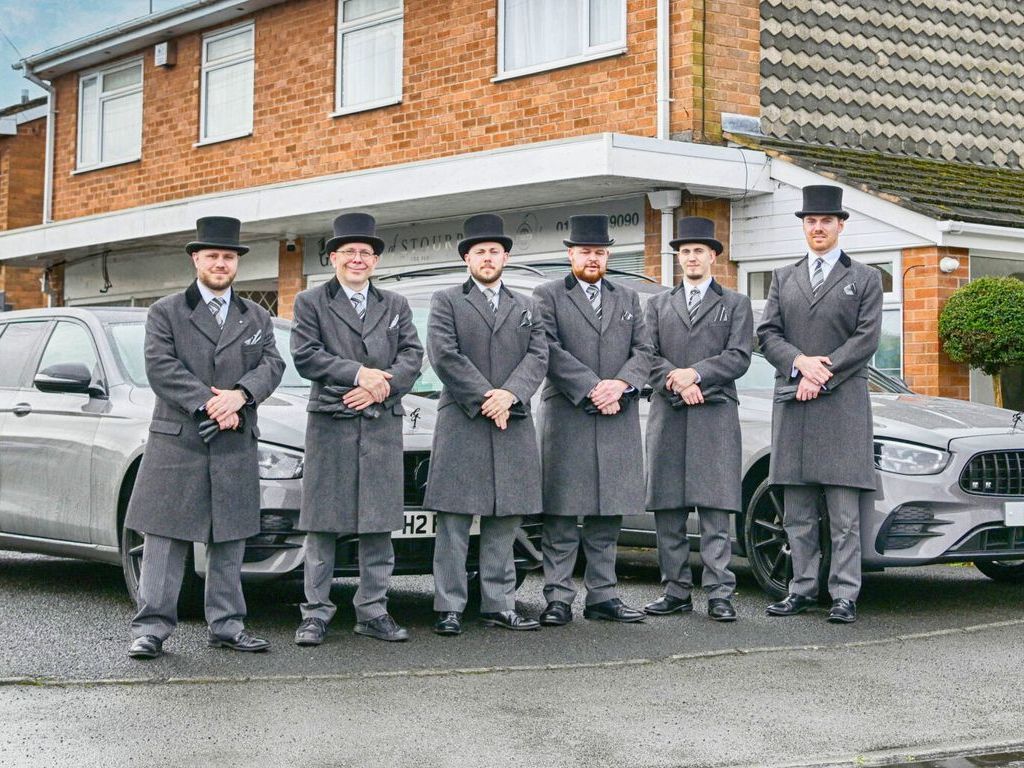
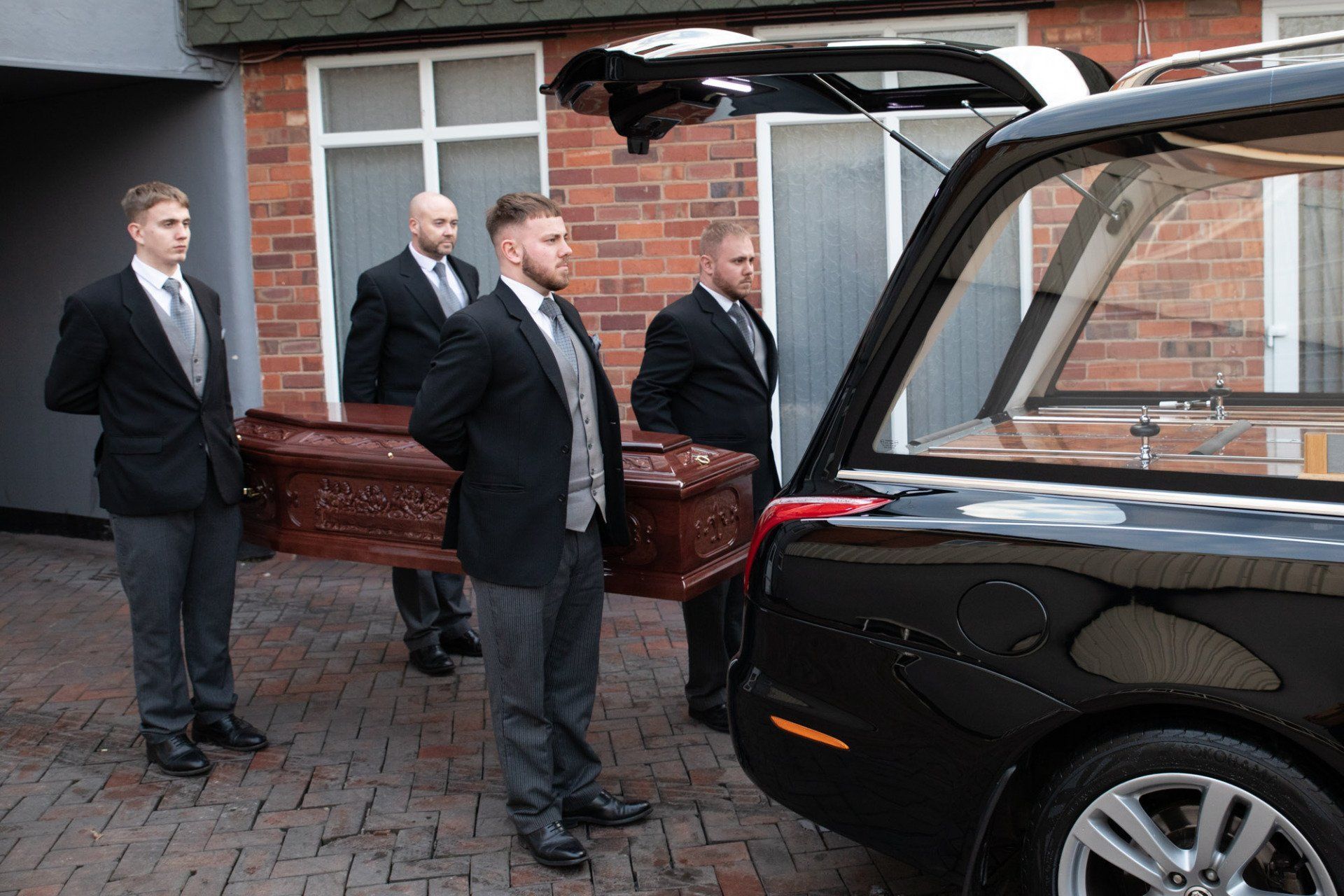
A funeral director is a trained professional who manages and coordinates funeral arrangements on behalf of the deceased and their family. Their role combines practical organisation, legal knowledge, and compassionate care.
Funeral directors act as a single point of contact, ensuring every aspect of the funeral is handled respectfully and according to the family’s wishes.
Supporting Families After a Death
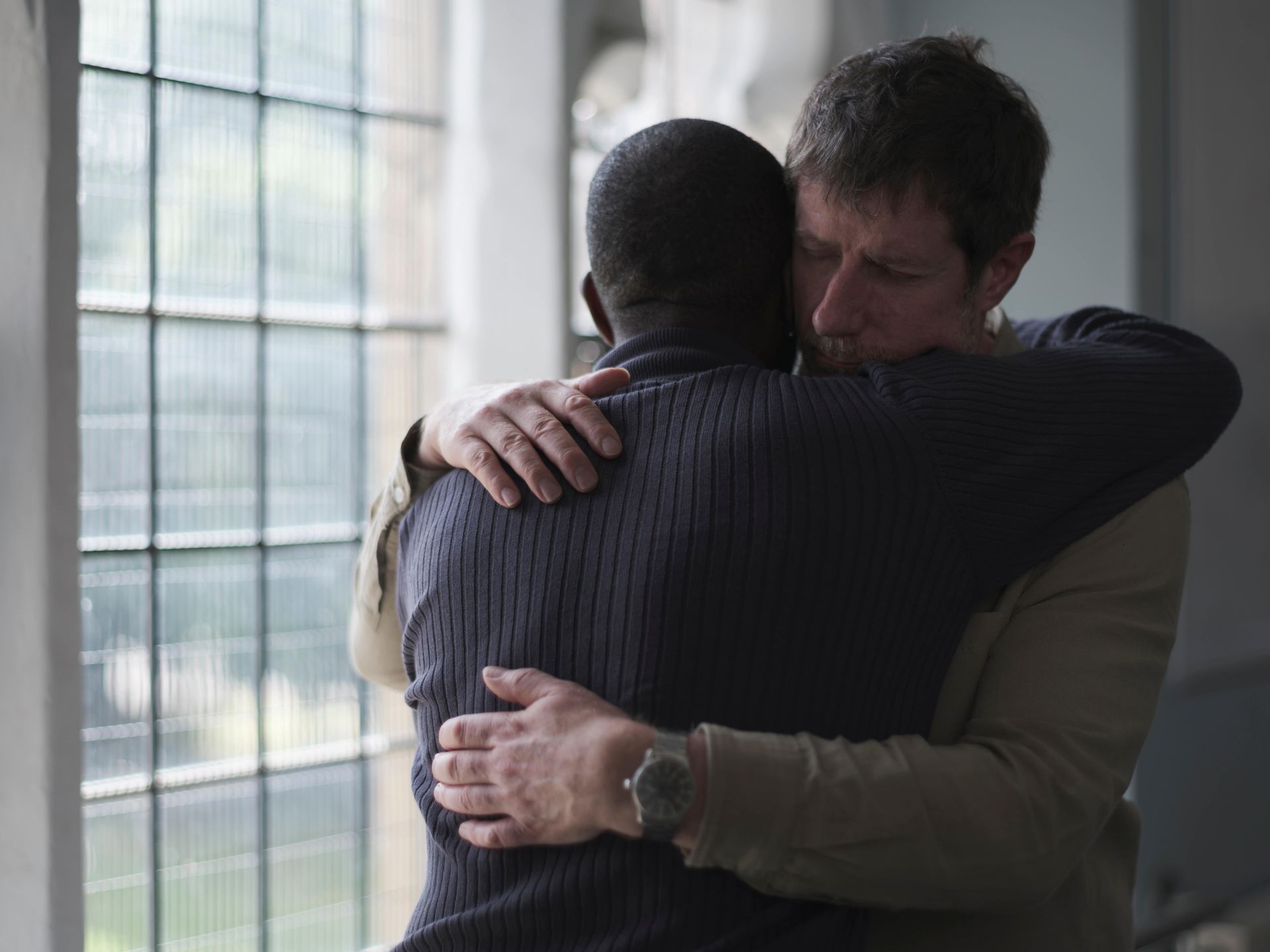
One of the most important roles of a funeral director is supporting families immediately after a death. This includes:
- Offering calm guidance during an emotional time
- Explaining what needs to happen next
- Helping families make decisions at their own pace
- Providing reassurance and emotional support
Funeral directors are experienced in helping people through grief and understand that every family’s needs are different.
Arranging the Funeral
A funeral director will help plan every detail of the funeral, including:
- Burial or cremation arrangements
- Choosing dates, times, and locations
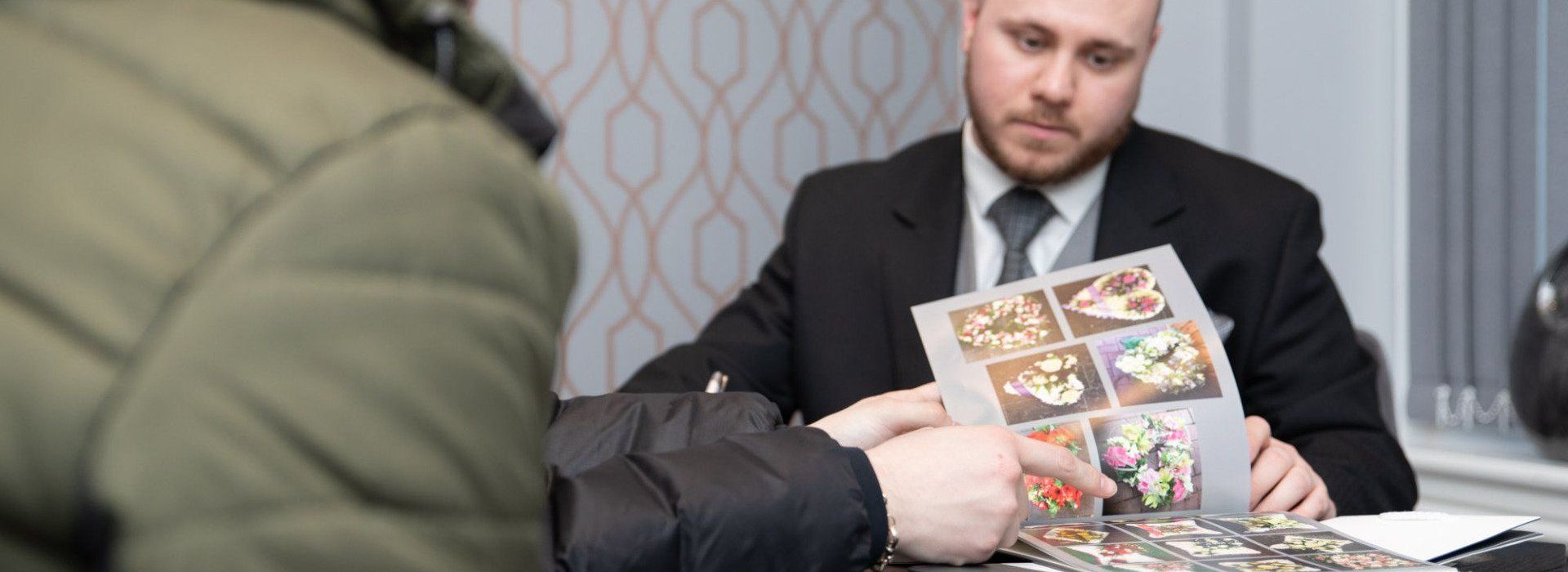
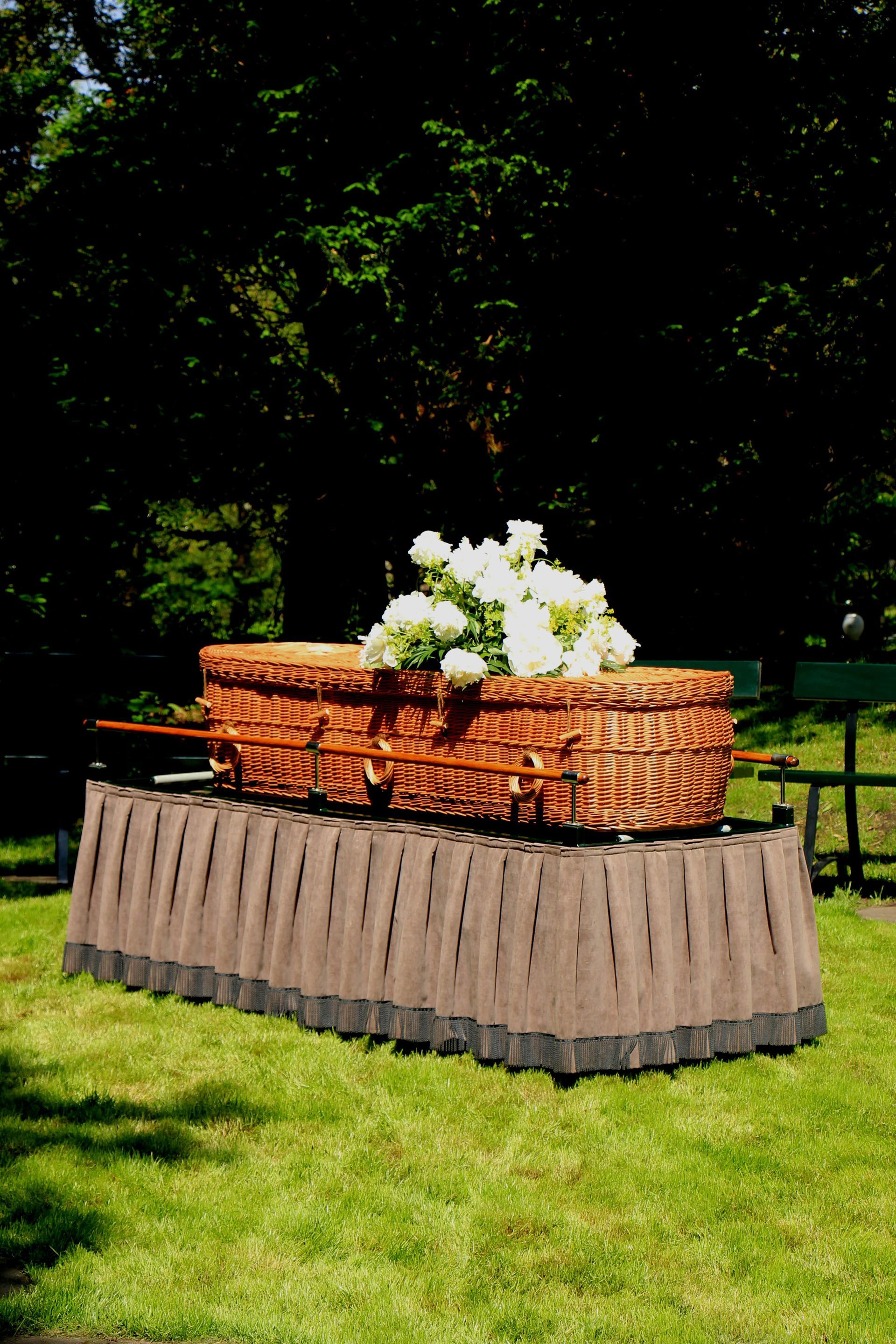
- Organising coffins, vehicles, and flowers
- Coordinating music, readings, and tributes
- Liaising with crematoriums, cemeteries, churches, or celebrants
They ensure the service reflects the wishes, beliefs, and personality of the person who has died.
Care of the Deceased
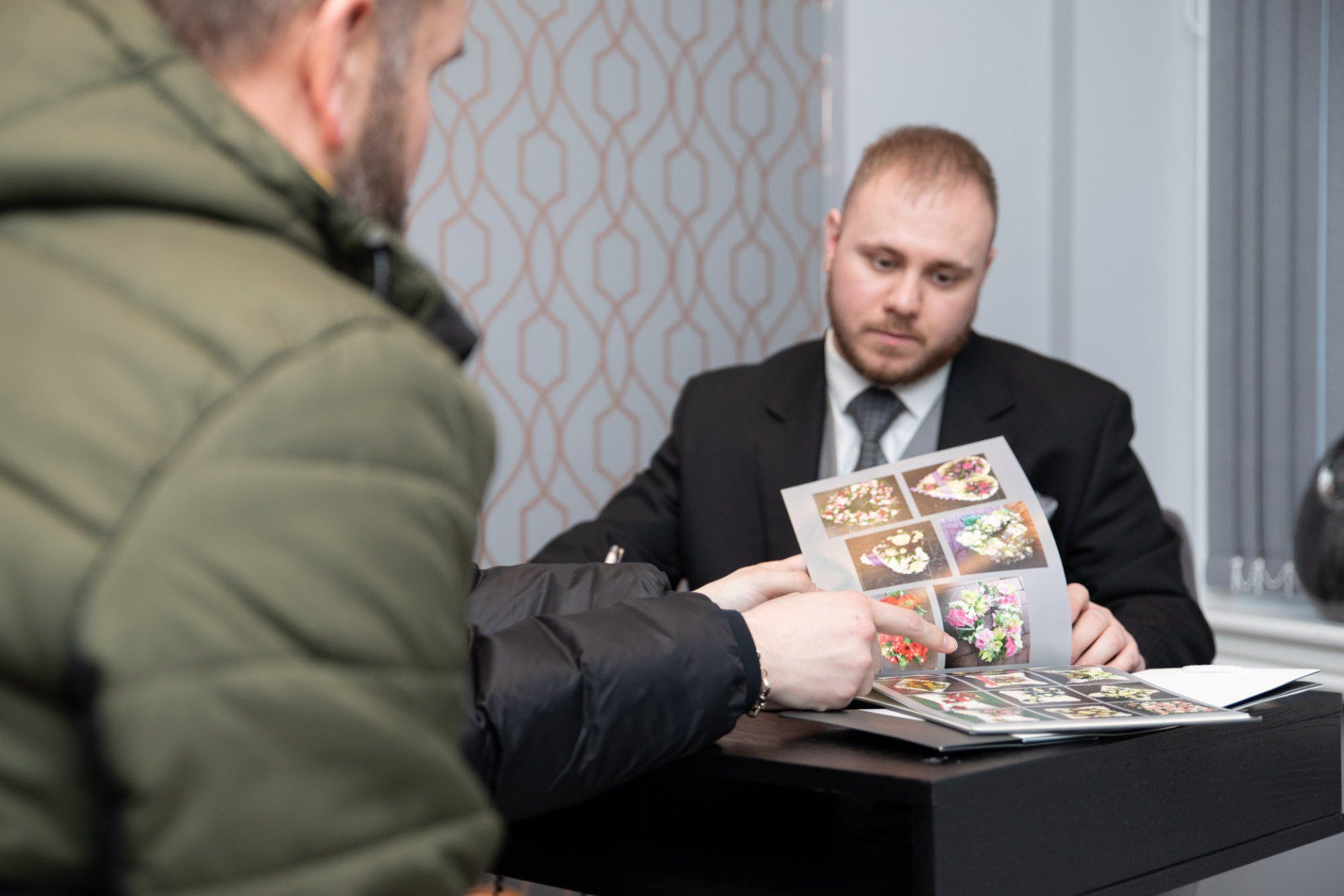
Funeral directors are responsible for the respectful care of the deceased. This may include:
- Bringing the person into the funeral home’s care
- Washing, dressing, and preparing the body
- Embalming (if requested or required)
- Ensuring dignity at all times
Families can discuss options such as viewings, cultural or religious practices, and personal preferences.
Legal and Administrative Support
Funeral directors also assist with essential paperwork and legal requirements, such as:
- Registering the death
- Completing cremation or burial forms
- Advising on death certificates
- Liaising with doctors, coroners, and local authorities
While they do not provide legal advice, funeral directors help ensure everything is completed correctly and on time.
On the Day of the Funeral
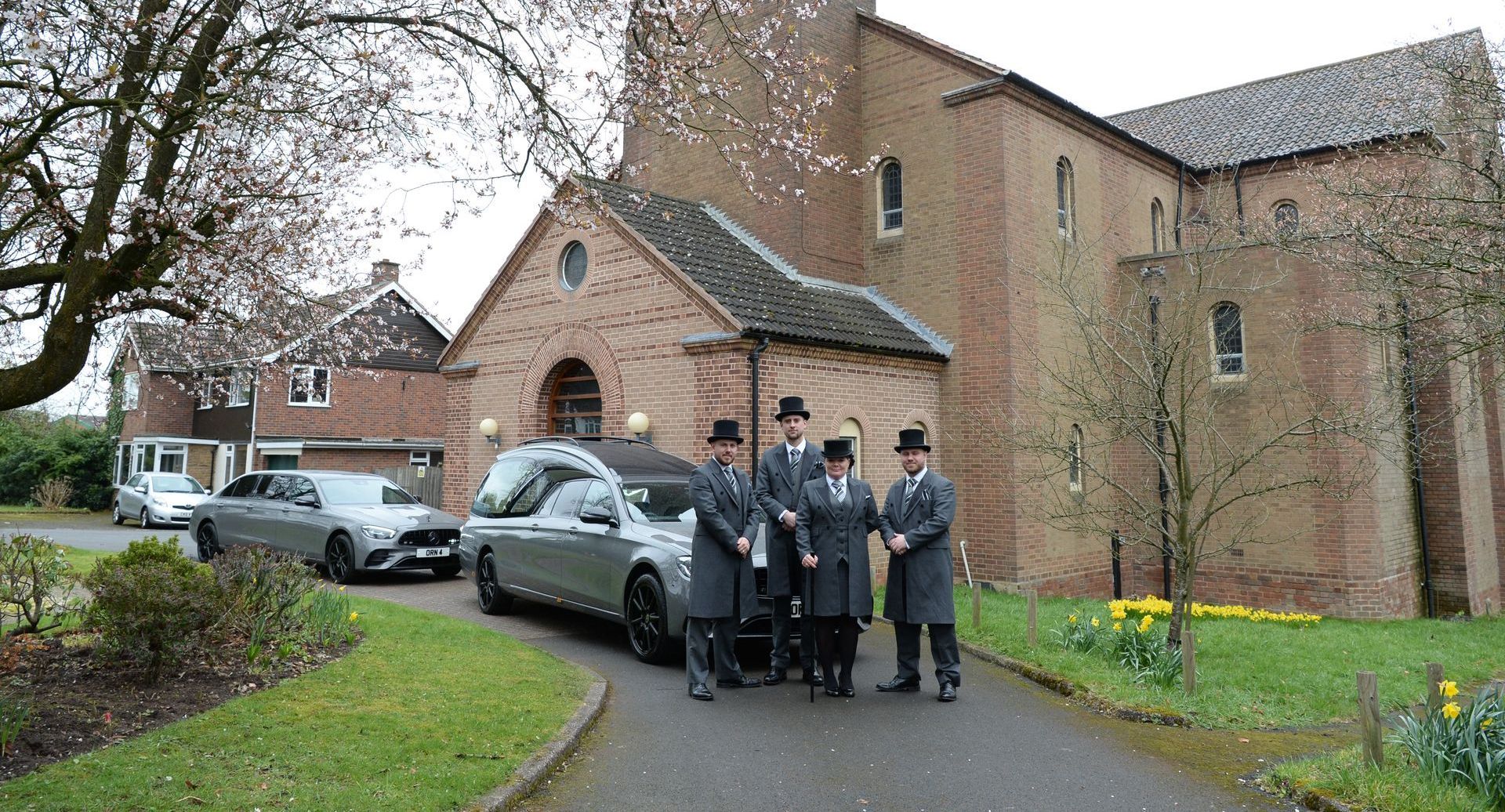
On the day of the funeral, the funeral director:
- Manages timings and logistics
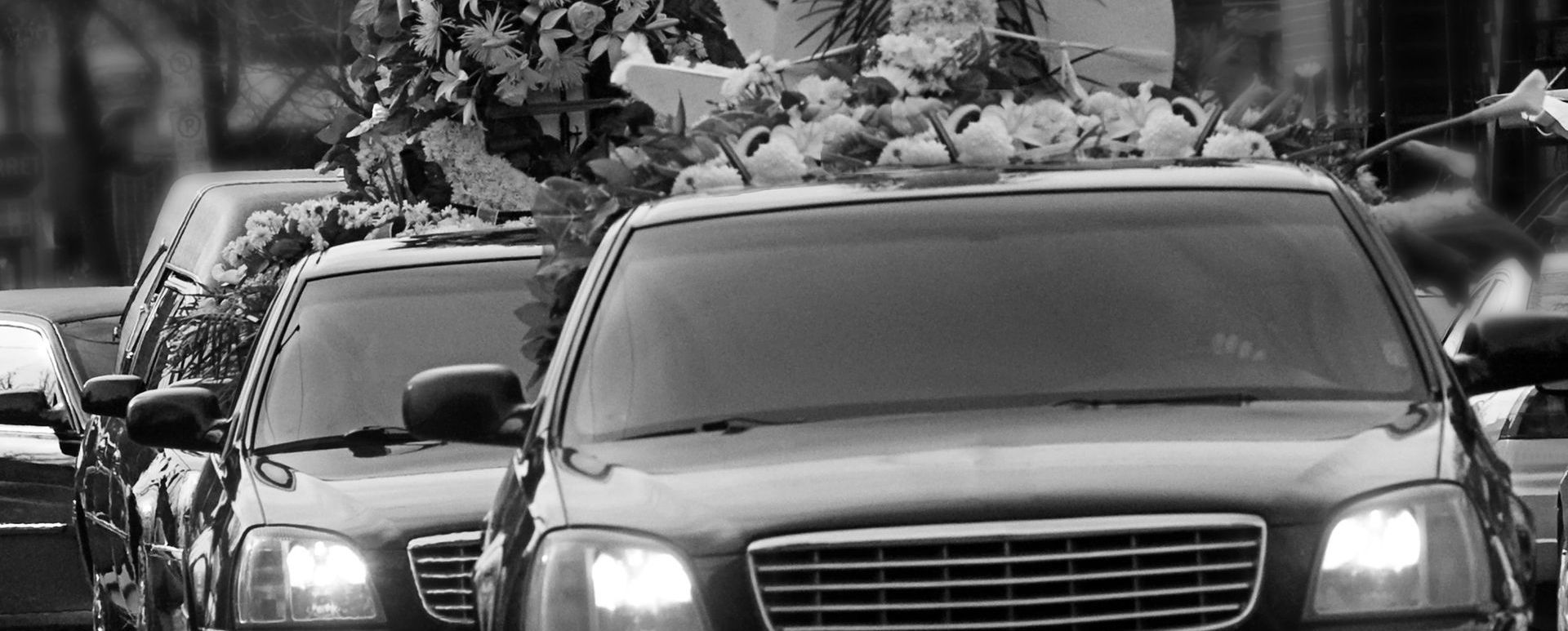
- Coordinates funeral vehicles
- Guides mourners through the service
- Works closely with officiants and venue staff
- Ensures the day runs smoothly and respectfully
This allows families to focus on remembering their loved one rather than worrying about practical details.
Support After the Funeral
The role of a funeral director doesn’t always end after the service. They may also:
- Help with ashes collection or scattering
- Provide memorial options
- Signpost families to bereavement support services
- Offer ongoing guidance and reassurance
Many families find comfort in knowing continued support is available.
Frequently Asked Questions
Do funeral directors help with paperwork?
Yes. Funeral directors assist with all required funeral documentation and guide families through the process.
Can a funeral director help plan a personalised funeral?
Absolutely. Funeral directors work closely with families to create services that reflect personal wishes, beliefs, and traditions.
Is embalming carried out by a funeral director?
Embalming is performed by trained professionals and is only carried out if requested or required.
How soon should I contact a funeral director after a death?
You can contact a funeral director as soon as a death occurs. They are available to offer immediate guidance and support.
A funeral director provides much more than practical arrangements. They offer compassion, experience, and reassurance during one of life’s most difficult moments. From caring for the deceased to supporting grieving families, their role is essential in ensuring every funeral is handled with dignity and respect.