Funeral Processions Guide
Who Walks Where and What to Expect
A funeral procession is one of the most visible and meaningful parts of a funeral service. It is the formal journey from the funeral home (or family home) to the service venue, and sometimes on to the burial or cremation site. For many families, it is a powerful moment of reflection and farewell.
At Black Country Funeral Services, we understand that funerals can feel unfamiliar, so this guide explains how funeral processions typically work in the UK and who takes part.
What Is a Funeral Procession?
A funeral procession is the organised movement of vehicles and sometimes walkers that accompany the hearse carrying the coffin. It is traditionally led by the hearse and followed by close family, friends, and other mourners.
The pace is usually slow and respectful, allowing time for reflection and ensuring the procession remains together.
Who Walks in First at a Funeral?
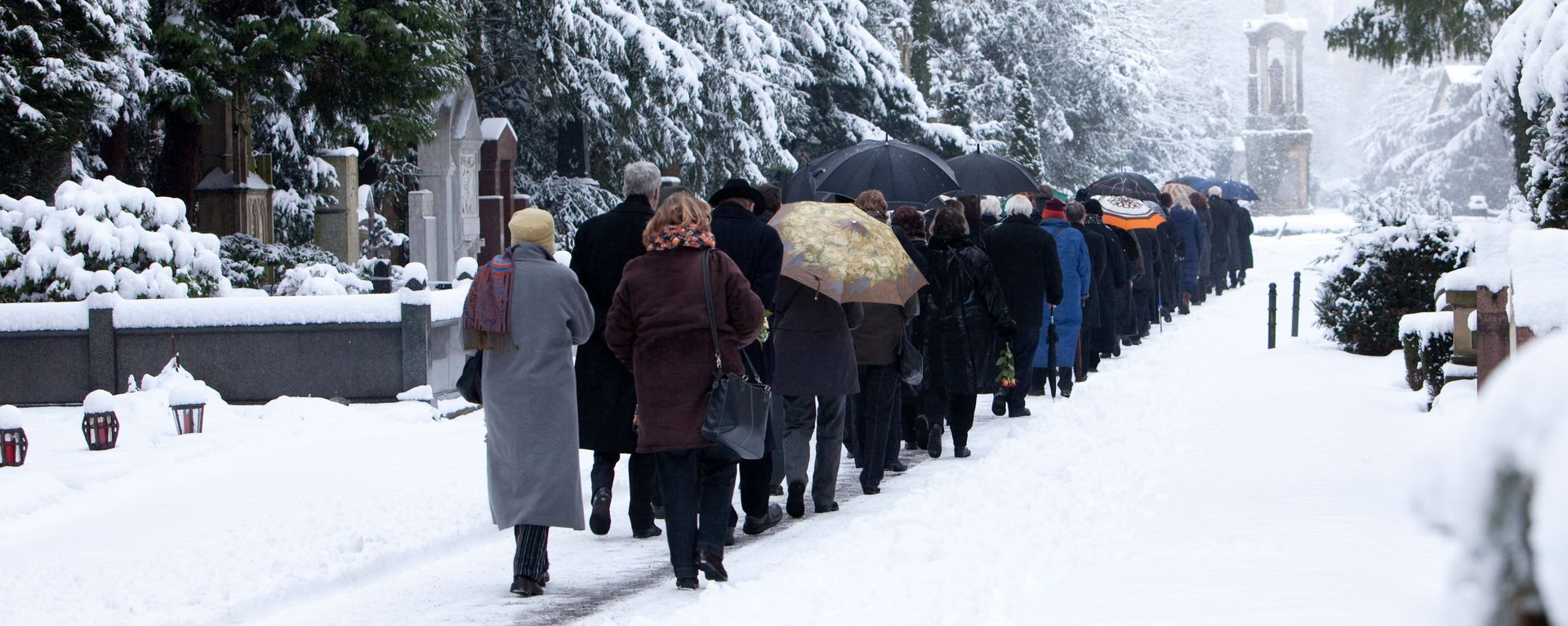
If part of the funeral involves walking (for example, from the chapel into the crematorium or church), the order is usually guided by tradition and the wishes of the family.
In most cases, the order is:
- Clergy or celebrant leading the service
- Coffin (carried by pallbearers)
- Immediate family members
- Close friends
- Other mourners
The coffin is typically the central focus, with family walking closely behind it.
Who Walks in Front of the Hearse?
In a traditional funeral procession involving walking (rather than just vehicles), the hearse is often led by:
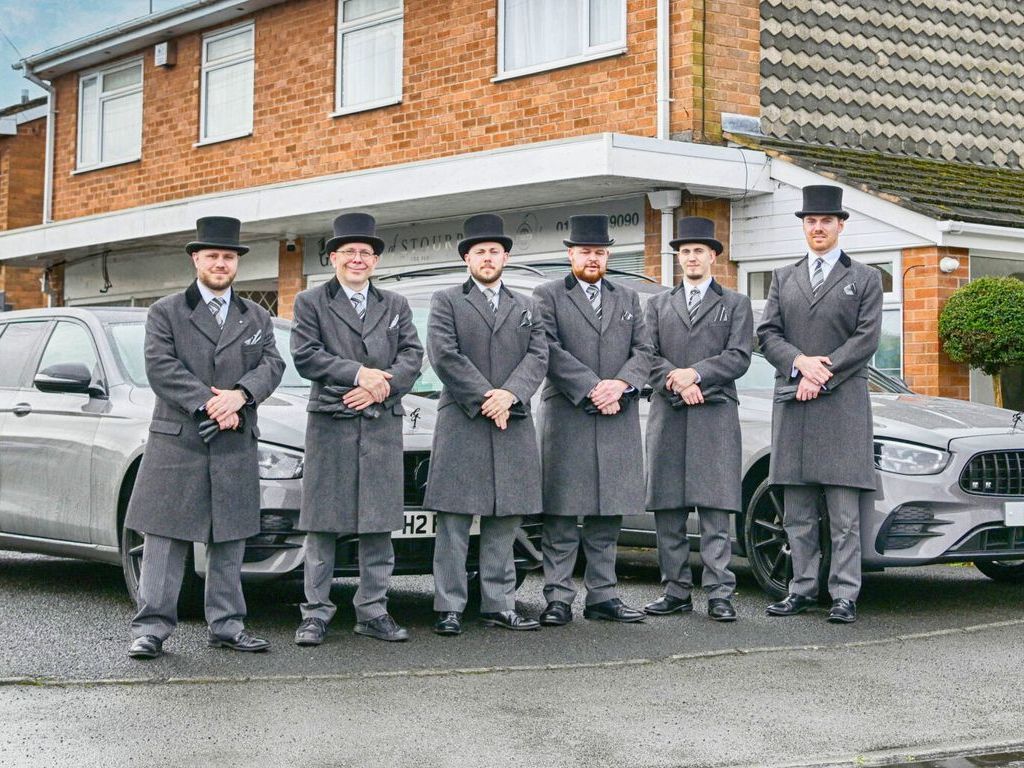
- The funeral director (in some cases, guiding the procession)
- Pallbearers (if carrying the coffin a short distance before placement into the hearse)
However, in most modern UK funerals, the hearse leads the procession by vehicle, meaning there is usually no one physically walking in front of it on the road.
In older or more traditional ceremonies, especially with horse-drawn hearses, a funeral director or family representative may walk ahead briefly as part of the ceremonial order.
Who Walks Behind the Coffin at a Funeral?
This is one of the most significant parts of the procession.
Behind the coffin, the usual order is:
- Immediate family (spouse, children, parents)
- Close relatives
- Very close friends
- Other mourners
Family members are traditionally closest to the coffin, often walking directly behind it or following immediately after pallbearers have placed it into position.
This arrangement is flexible and can be adapted based on family wishes, cultural traditions, or religious customs.
Who Travels in the Funeral Procession?
A typical UK funeral procession includes:
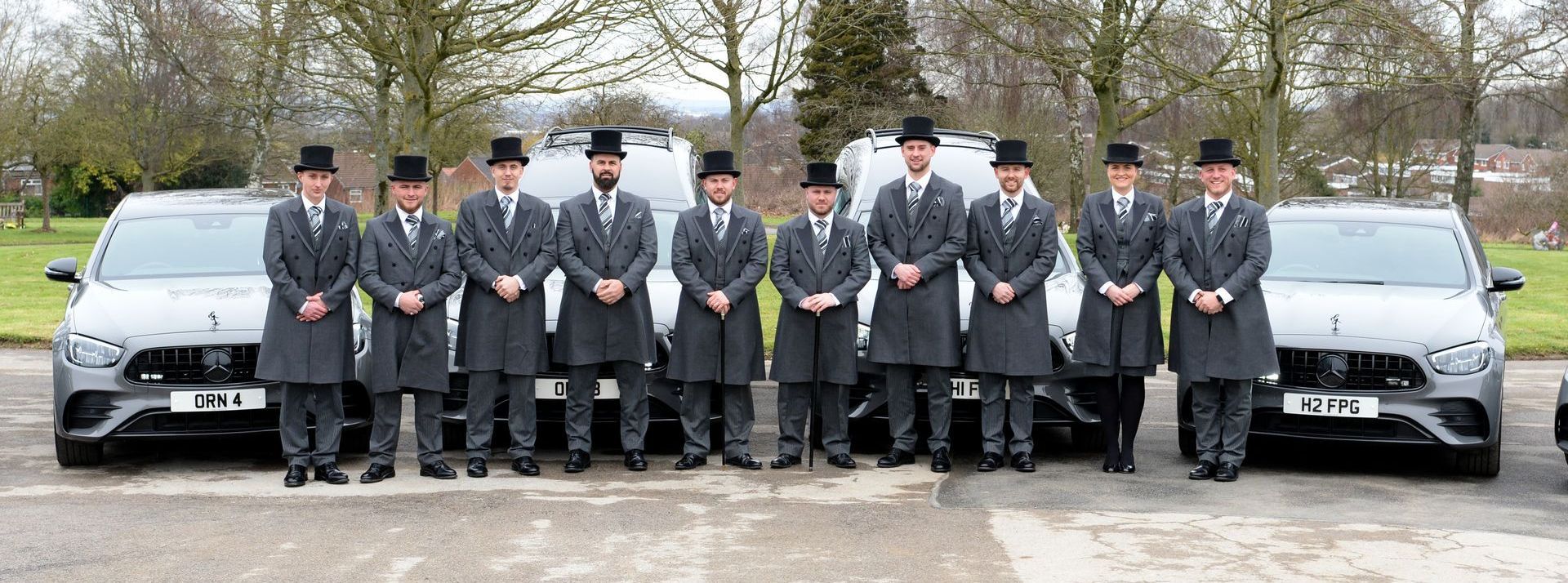
- The hearse carrying the coffin
- Family cars or limousines for close relatives
- Additional cars for friends and other mourners
The hearse always leads the procession, followed by family vehicles in order of closeness to the deceased.
Do You Have to Walk in a Funeral Procession?
No, walking is not required. Many people choose to travel by car, especially for longer distances or when weather conditions are difficult.
Some families choose a combination of walking and driving, depending on the structure of the service and personal preference.
Your funeral director will always guide you on what is most appropriate and manageable.
How Long Does a Funeral Procession Last?
The length of a funeral procession depends on:
- Distance between locations
- Number of stops (e.g. home, church, crematorium)
- Traffic and route planning
Most processions are relatively short, but they are carefully planned to allow time for reflection and dignity.
Understanding Funeral Etiquette and Support
A funeral procession is a deeply symbolic part of saying goodbye. While there are traditional customs around who walks where, modern funerals are flexible and always shaped around the wishes of the family.
At Black Country Funeral Services, we are here to support and guide you through every step of the arrangement, ensuring the procession and service reflect your loved one with dignity, care, and respect.
If you have any questions about funeral arrangements or processions, our team is always here to help.